20 Great Tips For Choosing Floor Installation
Wiki Article
Hardwood Vs. Lvp: Which Floor Wins The Battle In Philadelphia Homes?
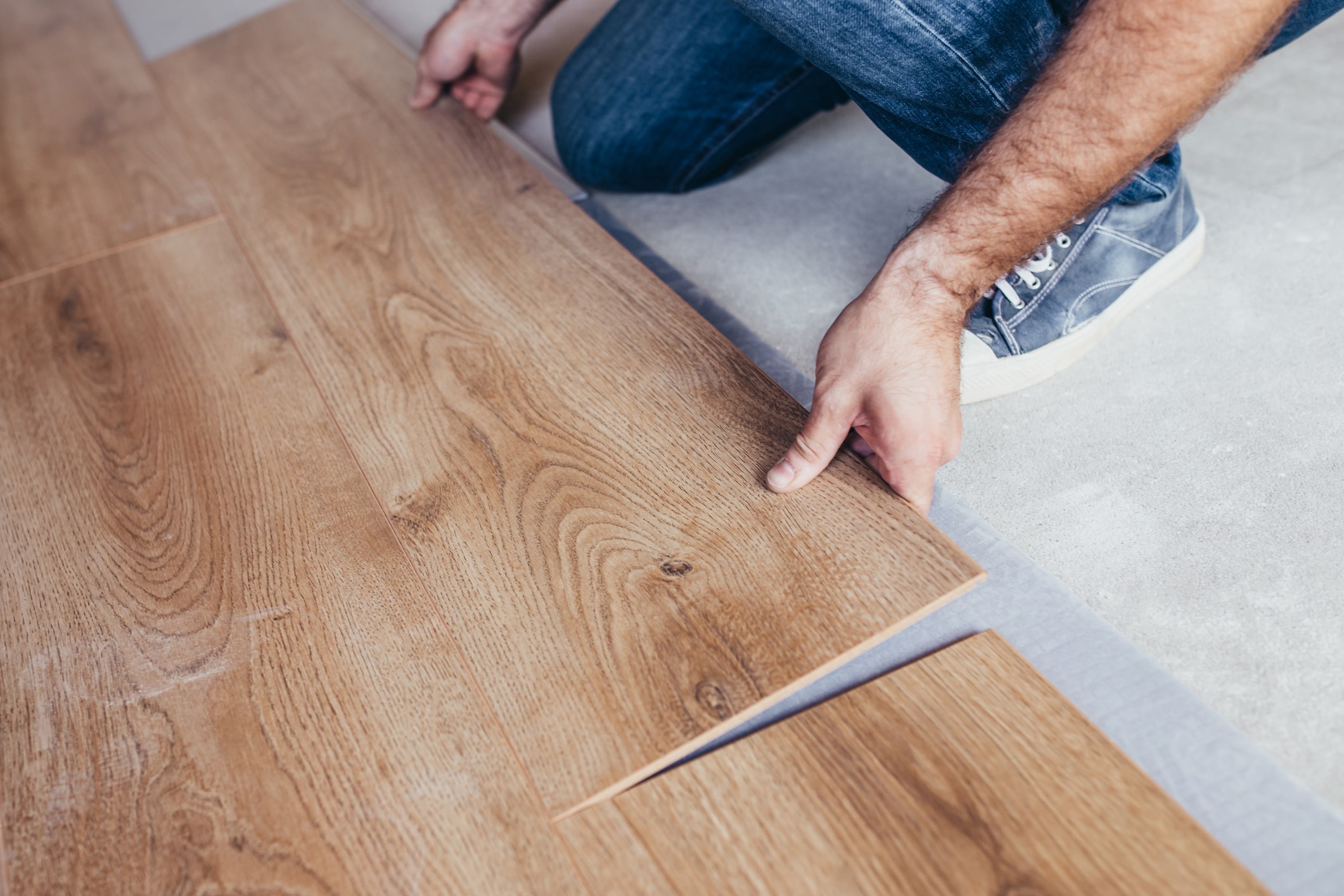
If you've received estimates for flooring in Philadelphia recently, you've noticed that every contractor talks about the same subject between LVP and hardwood. It's not a simple answer, and any flooring installer that is licensed will be able to tell you that it varies much on the room, the home, and the home owner. Philadelphia's housing stock truly special -- rowhomes older colonials with split-levels all across Bucks County, ranch homes in Delaware County -- and what's perfect for the one location could be one of the most frustrating mistakes in another. Here's everything you need to know before committing.
1. Philadelphia's older Homes Create Subfloor Complications
Most hardwood installation guides assume a clean even subfloor. Philadelphia doesn't always cooperate. Homes built before 1970 -which covers an enormous portion of the city along with surrounding counties have subfloor issues, old flooring made of wood instead of plywood or moisture issues due to foundations that have deteriorated. LVP handles minor subfloor imperfections more easily than solid hardwood which will telegraph each drop and bump beneath it. A reliable flooring specialist will take a look before quoting your a choice.
2. Humidity is a definite factor Here, It's Not Just the subject of a sales pitch
It is believed that the Delaware Valley sits in a humid climate zone of the continental. Dry summers, dry winters can be dry. swing is crucially important for solid hardwood. Wood expands as moisture changes, and in a Philadelphia rowhome that has inconsistent HVAC, the movement may result in gapping, cupping or squeaking in the course of time. LVP has dimensional stability -it doesn't need to be concerned about fluctuating humidity levels, which makes it an ideal choice for kitchens, basements, and older houses that don't have climate control.
3. Hardwood Still Wins on Long-Term Home Value
If you're in a posh part of Montgomery County or a historic neighborhood like Chestnut Hill or Society Hill, real hardwood flooring will always be the center of attention when the resale. The buyers notice it, appraisers appreciate it, and its ability to sand and refinish hardwood multiple times over the course of a decade can give it a long-lasting lifespan that LVP cannot match. A high-end LVP stands out, but it isn't refinishedat the point that it's worn away and replaced, it's time to replace it.
4. LVP Installation Cost is Consistently Lower
Through the Philadelphia metro -- cities, Bucks County, Montgomery County, Delaware County, and South Jersey -- LVP installation usually costs less for each square foot than hardwood. The material is lighter, cut faster, and the floating installation technique that LVP employs is easier to install and requires less more time to install than nail down hardwood. If budget is your primary aspect and you're looking to get a quality result, LVP is where most inexpensive flooring installers in Philadelphia will steer you.
5. Nail-Down Hardwood Requires the Right Subfloor
Solid hardwood installed via nail-down technique requires a subfloor of adequate thickness -usually 3/4 inch minimum of plywood. Many Philadelphia homes, especially ones with concrete slabs or older diagonal subfloors, require subfloor repair or upgrades prior to nail-down flooring is feasible. By skipping this step, you can have problems within the first year. Certified flooring installers will be able to tell the issue early; contractors with budgets generally do not.
6. LVP is the best option for Bathrooms and Kitchens
Bathroom tile installations remain popular, but LVP has gotten a big part of the kitchen and bath flooring marketplace in Philadelphia because it's water-proof, warmer underfoot than ceramic tile and quicker to put in. If you're a homeowner who wants that wood look throughout the home, including wet areas, LVP delivers visual consistency that hardwood simply cannot -- You're not using solid hardwood in a bathroom.
7. Custom-designed staining can be a major Benefit
One aspect LVP can't offer is customized staining. If you want a floor shade that is matched to your cabinetry, your trim or even a particular style -- a cool grey wash or a dark espresso, warm, provincial toneshardwood gives you artistic control. Flooring contractors in Philadelphia that offer custom staining can actually create a unique flooring. LVP can be found in a set of colors. The color you see in your box will be what you receive.
8. Engineered Hardwood is positioned squarely in the Middle
This is important because a lot homeowners do not know: engineered wood provides you with a authentic wood surface and greater dimensional stability compared to solid hardwood. This is a legitimate middle course with a higher resistance to moisture than solid wood, more refinishable and durable than LVP in addition to being able to be put up as floating flooring in cases that nail-down isn't an option. Some flooring specialists across Bucks and Montgomery County are recommending it highly right now and for good reason.
9. Get a free flooring estimate So you can compare the different options
Professional flooring companies with a good reputation in Philadelphia will provide you with both materials at the same time if you want. This is the single most effective thing you do prior to making a decision. The price difference in terms of labor and materials frequently catches homeowners off guard -and sometimes, it's more narrow than expected, sometimes it's important. In any case, you're making an informed decision rather than being a guesser.
10. A Floor that is of the highest quality is Floor that is specifically tailored to your Home
There is no one universal winner. Rowhomes from the 1920s in South Philly with an uneven subfloor with no central air is undoubtedly a different experience than an old colonial house in Delaware County with a slab basement. The flooring installers who take time to explore your space through your subfloor area, examine your household's needs - including pets, children traffic patterns, pets -- and then offer a recommendation are the ones you should employ. They who promote one item regardless of your circumstances are those to stay away from. See the recommended
hardwood floor installation cost Philadelphia for blog tips including hardwood floor installation cost Philadelphia, cheap flooring installation Philadelphia, LVP flooring Philadelphia PA, ceramic tile flooring Philadelphia, flooring installation Philadelphia, glue down hardwood flooring Philadelphia, vinyl plank flooring Philadelphia PA, laminate floor contractors Philadelphia, laminate floor contractors Philadelphia, laminate flooring installation Philadelphia PA and more.

Flooring Options That Are Waterproof For Philadelphia Bathrooms
Bathrooms are also where flooring choices have the lowest chance of error. Every other room in the Philadelphia home can be able to tolerate any flooring that's not water-resistant, but bathrooms aren't. Showers' steam, water around the base of the toilet and splash zones around sinks as well as the general humidity the bathroom is constantly generating can expose any weakness in a flooring material that's not really waterproof. Philadelphia homes come with additional issues due to subfloors which are older and be leaking moisture bathrooms that weren't modernized since the 1970s, and in a lot of rowhomes, bathrooms set above a finished living spaces where flooring problem could cause a ceiling issue down. Here's what actually works, what doesn't and the questions to ask prior to any bathroom floor going into.
1. Porcelain Tile remains the Benchmark All Other Materials Are Compared
There's the reason that porcelain tile has been the primary bathroom flooring choice for years It is impervious to water when it touches the tile's edges, it can handle moisture and steam without degrading or deteriorating, and with proper installation and grout sealing it can outlast other options in wet conditions. Installing porcelain tile in Philadelphia bathrooms is the preferred option that has the longest track record. The downsides are real -cold underfoot and hard joint joints, frequent grout maintenance required, however, no other tile can match its ability to waterproof and longevity within the bathroom.
2. Ceramic Tile is a Reliable Moving Step, It's not An Alternative
The terms porcelain and ceramic are frequently used interchangeably, but they're not the same thing for bathroom use. There is more permeability in ceramic than with porcelain and matters in a room where moisture is constant, not the occasional. A powder room or a guest bathroom with little use ceramic tile flooring is a sensible and less expensive option. If you are looking to renovate a bathroom that is the primary one in a Philadelphia residence that experiences daily shower usage, the density and water resistance of porcelain is well worth the extra cost in square feet. The process for installation is identical and the results over time is not.
3. LVP is the Most Practical water-proof alternative to tile
The premium vinyl plank has gained its place in conversations about bathroom flooring. The substance itself is 100 percent waterproof -- the core doesn't hold water, the surfaces don't decay with the exposure of moisture, and it's warmer and more comfortable than tile. One of the caveats to install in bathrooms is that LVP's waterproofing only applies to the planks itself, though not exclusively to the seams that connect them. In a bathroom with substantial water exposure -- a walk-in shower that is not protected by a barrier, or a freestanding tub and so on -- water can make through planks and reach the subfloor over time. Proper installation technique and seam sealing is crucial more than in any other bathroom.
4. The use of laminate in a bathroom is a Decision You Will Regret
It's important to say this clearly, as laminate is still showing within bathroom flooring costs typically due to its price. Laminate features a wood fiber core. Wood fiber and continuous bathroom moisture are incompatible. The edges get bigger, the gaps expand, the layer breaks, and damage is accelerated in a bathroom more quickly than any other room in the home. Cheap flooring installation that puts laminate in a Philadelphia bathroom is not cost-effective, it's the replacement of a job delayed by a few years. Any flooring contractor recommending laminate for a primary bathroom should be questioned directly about the reasons.
5. The Subfloor under a Philadelphia Bathroom needs a fair assessment
Older Philadelphia rowhomes as well as suburban colonials are often equipped with bathrooms with subfloors that already have dry history -- previous leak stainings, soft spots resulting from decades of water exposure, or original wooden subfloors with a higher amount of water than they should over the years. The installation of new flooring made of waterproof over an existing subfloor won't fix what's wrong, it simply covers it, while it continues to get worse. Subfloor repair in Philadelphia bathrooms before new flooring is put in place isn't just an upsell. It's necessary for the floor to perform correctly and not fail prematurely.
6. Floor Heating Compatibility Varieties based on Material
Radiant floor heating for bathrooms- increasingly sought-after throughout Montgomery County and Delaware County home renovations -- isn't compatible with every flooring material. Porcelain tile can conduct and store heat effectively, making it a perfect floor for an heated subfloor. LVP is incompatible with radiant heating however has temperature thresholds that have respect -- too much heat could lead to an instability in the dimensional structure. If floor heating in the bathroom is an element of your bathroom renovation, the flooring material choice and the heating system's requirements need to occur in a dialogue with each other, not separately.
7. Bathroom Tile Layouts Affect Both Look and Water Management
This is one of the things that will distinguish experienced tile flooring contractors from installers who simply know how to set tiles. Bathroom floors need a slight pitch toward the drain, typically 1/4 inch per ftwhich will prevent standing water. Tile designs that do not account specifically for the pitch, or combats it by using large-format tiles that bridge the incline, creates problems of pooling which ultimately work through the subfloor. In the discussion regarding layout with your contractor should be centered around how the tile pattern is interacted with the drain's position, and not just how it appears on paper.
8. Grout Selection in Bathrooms is an Important Decision
Standard sanded and polished grout in bathrooms requires sealing prior to installation and resealing every few years throughout its lifespan. Epoxy grout, which is more durable to install, more costly and less accommodating to installis completely impervious staining and moisture. It doesn't require sealing. For Philadelphia bathtub tile work, where homeowners prefer minimal maintenance epoxy grout is well worth the additional cost in labor. For those who are committed to regular maintenance of grout, traditional grout that is sealed efficiently. The problem is that it's standard grout that is never sealant in a high-moisture bathroom atmosphere.
9. Small Format Tile Managing Bathroom Floor Slopes Easily
The growing trend towards large format tile -- 24x24 inches or larger, that works well in living spaces and kitchens faces practical issues in bathrooms. Larger tiles are more difficult tilt towards drains without creating noticeable unevenness. In addition, they require subfloors with a flat surface to avoid lippage. Smaller format tiles such as 12x12 or less as well as mosaic tiles conform to the contours of a bathroom flooring more naturally. They also manage the drain slope more gracefully and have more grout lines that improve the slip resistance after wet. Philadelphia tile flooring professionals with a wealth of bathroom experience can raise this conversation before making any layout decisions.
10. Bathroom Flooring and Wall Tile Should Be Specificated Together
An error that can cause an aesthetic remorse more than practical challenges, but worthy of avoiding in either. The bathroom floor tile and the wall tile interact visually inside a constrained space in ways which are difficult to grasp with just a few samples. Scale, pattern, grout color, and finishing all must be considered together. Flooring contractors who also take care of bathroom tile installation Philadelphia work can collaborate on this. Contractors who deal with only the floor work and leave wall tiles to a separate contractor will create situations wherein the final room appears as if two people took decisions independently - because they did. Read the best Follow the recommended hardwood flooring Philadelphia for site info including wood floor restoration Philadelphia, floor installation Bucks County PA, subfloor repair Philadelphia, flooring estimate Philadelphia, tile flooring contractors Philadelphia PA, LVP floor installation cost Philadelphia, luxury vinyl plank installation Philadelphia, LVP flooring contractors Philadelphia, waterproof flooring installation Philadelphia, laminate flooring installation Philadelphia and more.